
Our Work
August 31, 2026
A Year of Florida’s Seasons
Written by Summer 2026 Photography & Storytelling Intern Abigail NelsonFrom the tip of the Keys to the Georgia-Alabama borders, Florida is a 400-mile long peninsula home to extraordinary life. While the state lacks snowy winters or colorful fall mountains, there are many natural signs that signify the change of seasons. Florida is vastly more complex than a year long summer and an educated eye reveals that wonder.
Due to Florida’s expansive length, it is split into two different climates. The northernmost two-thirds of the state are sub-tropical and the southern third is tropical. Seasons here are regulated by temperature shifts, humidity levels, and rainfall patterns. Because of the differences in climate across the state, varying regions can experience different conditions at the same time. This article is a broad overview of the different seasons Florida experiences in a year.
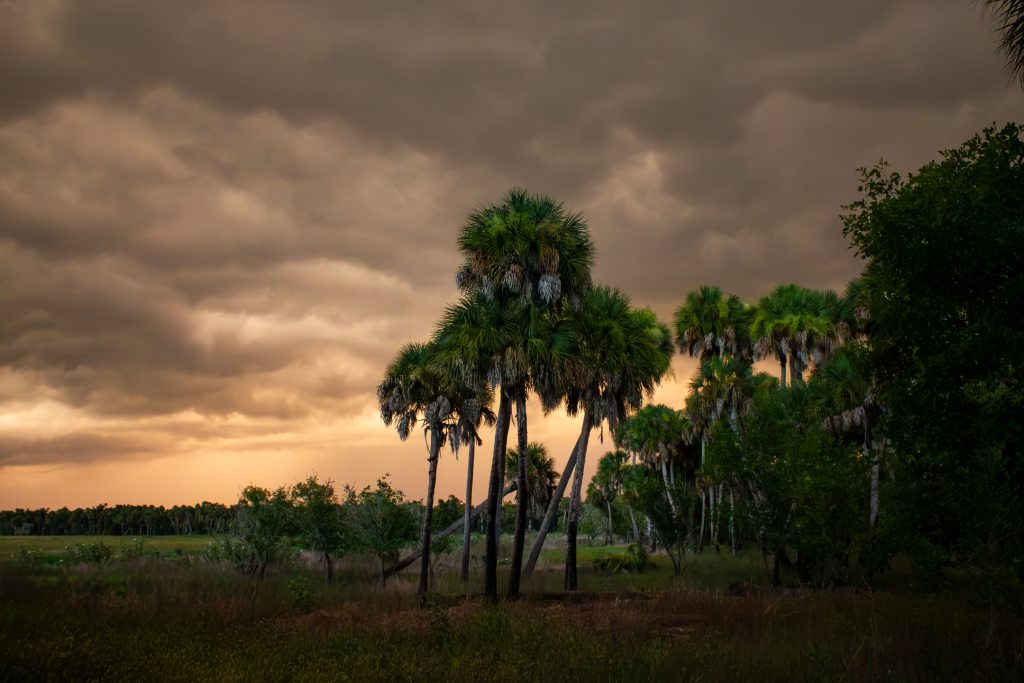
Water availability has an incredible impact on Florida seasons. It is the second wettest state in the U.S. behind Louisiana by about an inch of annual rainfall. Each year, Florida receives approximately 52 inches of rain. Up to 70% of the precipitation falls entirely from June through October. This is known as the wet season. Heat and humidity are high as waterways like wetlands and springs recharge. Vegetation grows rapidly with the new abundance of water and daily afternoon thunderstorms are common.
The panhandle and southeast regions receive the most water across the state. The panhandle is so rainy because it has two wet seasons, with cold fronts bringing in winter rains that do not typically reach other regions of Florida. The driest areas are the Keys and near Cape Canaveral. These coastal locations have poorer convectional heating, supporting fewer rains because of lower levels of moisture and heat in the atmosphere. This example highlights how conditions can be drastically different across the state at the same time of year.
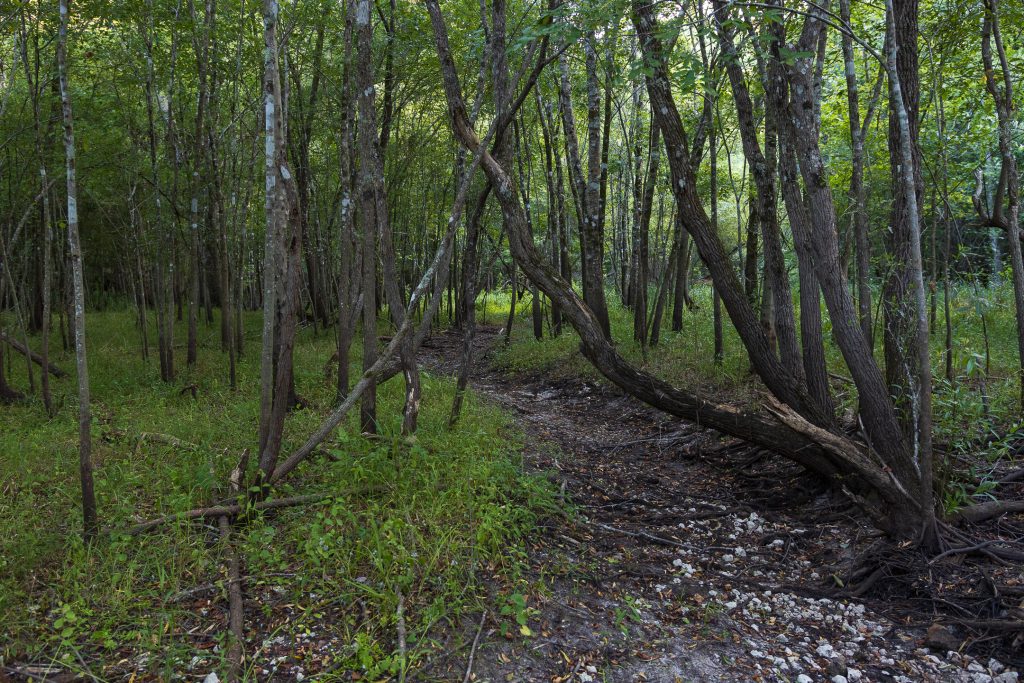
Florida’s dry season is from November through May. Precipitation substantially decreases and there are lower water levels across the state. Water conservation is often necessary to ensure that ecosystems stay healthy, there is clean water, and to lower the chances of drought. In the peak of dryness, typically from March through the middle of June, fires become more common as even small sparks can start large fires. Fire is a critical component to many of the state’s ecosystems. The native sand and pond pine are serotinous, meaning their cones only open when exposed to fire. Additionally, Florida scrub-jays need low-lying scrub oaks and sandy substrate that fire maintains by preventing overgrowth. However, too much fire can be dangerous to wildlife and humans.
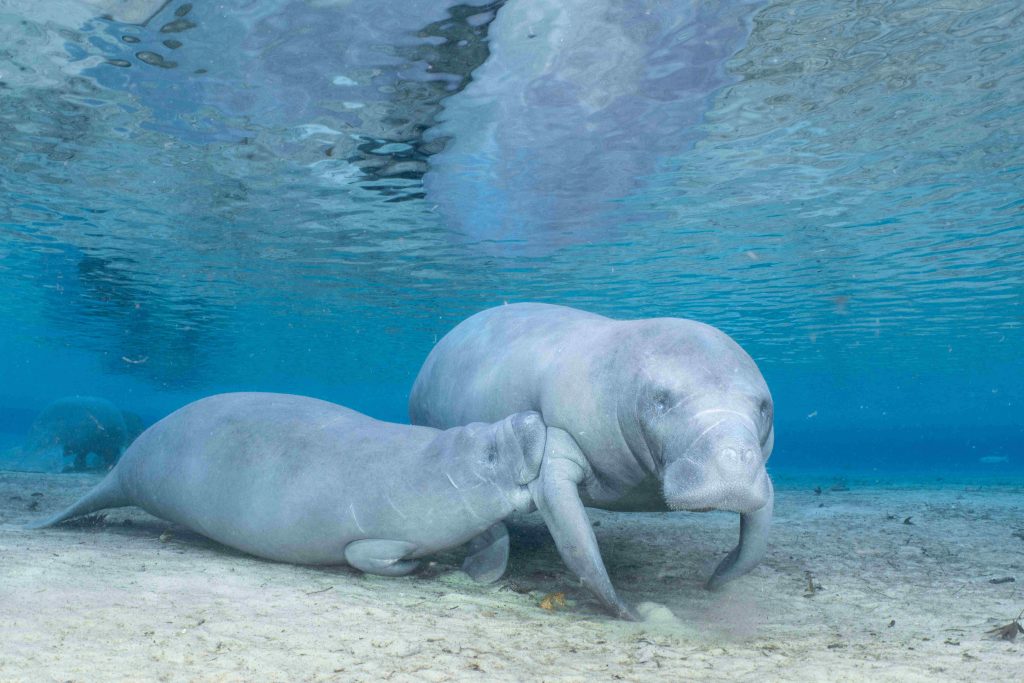
Now that you understand the wet and dry seasons, we can explore a year in Florida. Meteorological winter spans from December 1st through February 28th. With lower temperatures, alligators bask on the water’s edge to soak up the sun. Manatee season is from October 15th through March 31st, with some year-round populations enjoying the stable 72° F of the springs. Migrating and resident manatees congregate in shallow waters to stay warm, often in springs or near coastal power plants that act as thermal refuges. Large numbers of sandhill cranes arrive after migrating from northern areas in November and December, with some year round populations. The diversity of bird species is higher as those who migrated to Florida in fall enjoy the warmer winter. In south Florida, love bugs may appear in December and mosquitoes lay many eggs across the state. With lower water levels, many wading birds, like herons and egrets, gather in shallow wetlands to catch prey. On extremely rare occasions, snow has even fallen, like in 1977 in south Florida with flurries landing in Miami and the same in the Panhandle in 2025.
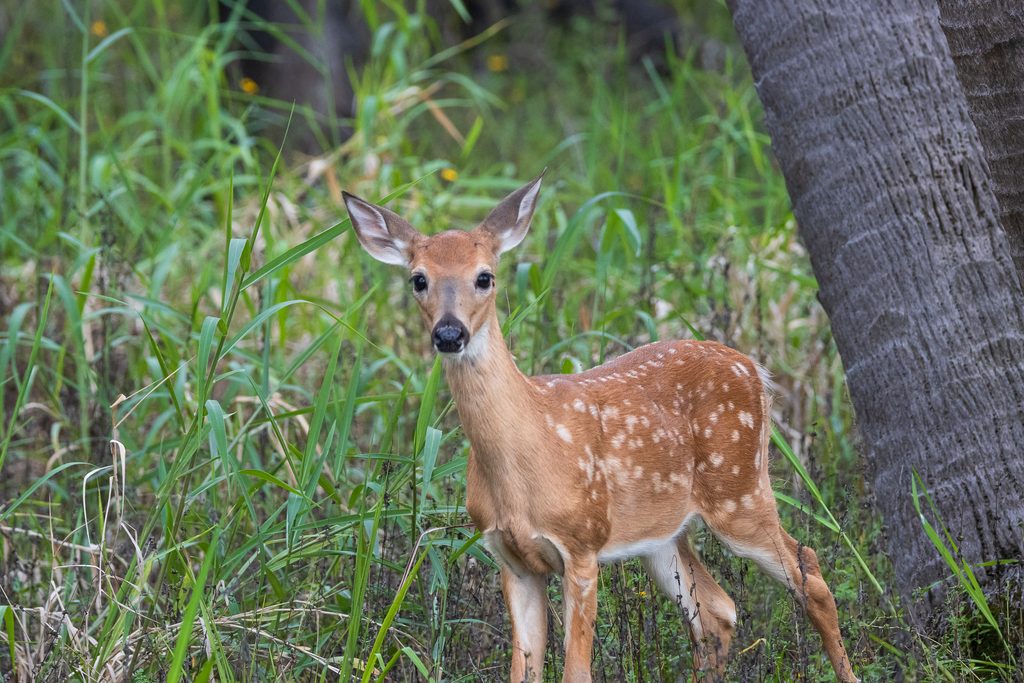
Spring lasts from March 1st through May 31st while the state is still in dry season. Turtle nesting begins, typically ranging from May 1st through October 31st. Pollen is more abundant as hickory, cedar, pine, and oak trees release their spores from February through May. Many flowers, weeds, and grasses also release their seeds and spores. Rising temperatures allow cold-blooded wildlife to be more active like gopher tortoises, snakes, and alligators. Alligator mating season peaks in May. From late April to August, lovebugs become abundant in many regions across the state. Many of the birds that migrated south in fall move back north for the warmer months of March through May. Sandhill cranes and bald eagles become less common sites. Some species stay and nest, spending their days tending to their young. Deer fauns and turkey poults roam and native wildflowers bloom in many different colors.
Wildlife migrations are beautiful and have large impacts on different regions of the state. Florida also experiences large migrations of humans each year. Snowbird season occurs from October to May, when temperatures are much warmer than other northern regions of the country. The state’s population typically grows 5%, which is over a million people. This increase often leads to extra traffic, busier beaches, and a stronger economy, as there are more people contributing money to the state. Many visitors enjoy the opportunity to experience Florida’s incredible nature, which can help fund conservation.
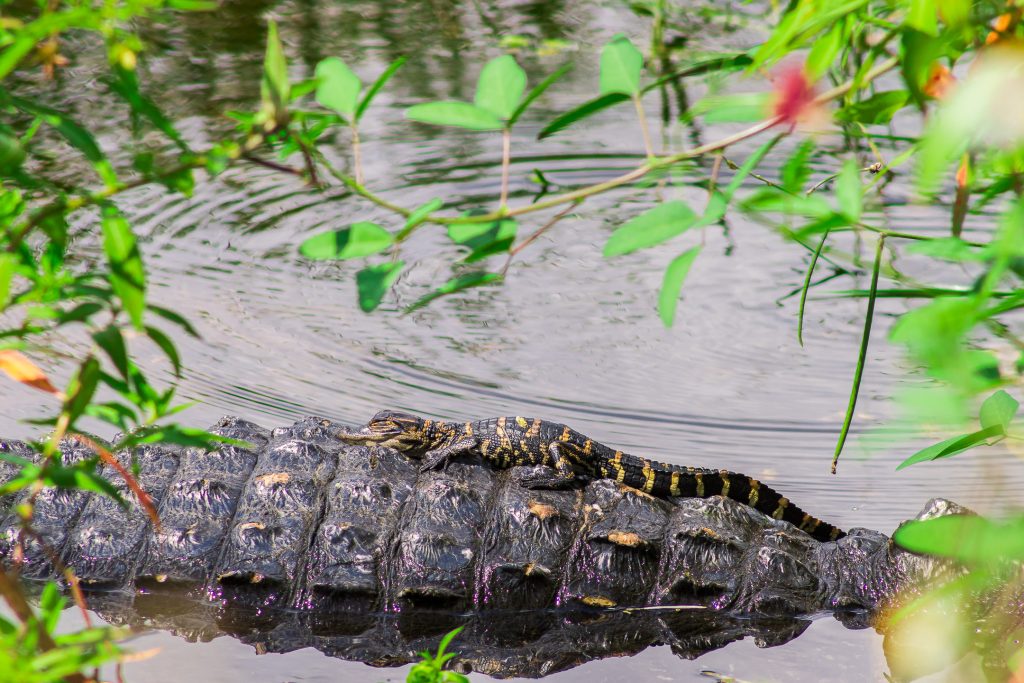
Summer is from June 1st through August 31st when temperatures rise and rainfall increases. The swelling heat encourages many species to be more active in the morning and evenings. Sea turtle nesting peaks and alligators are still active, often with hatchlings. Hurricane season begins June 1st and continues until November 20th. Increased humidity and almost daily afternoon thunderstorms create ideal conditions for the height of mosquito season from April to October. Many of the eggs laid in winter begin to hatch, especially in south Florida. Many of the migrating species that arrived in the cooler months have gone back north to their homes. This is a special time of year to see the wildlife that relies on Florida year-round.
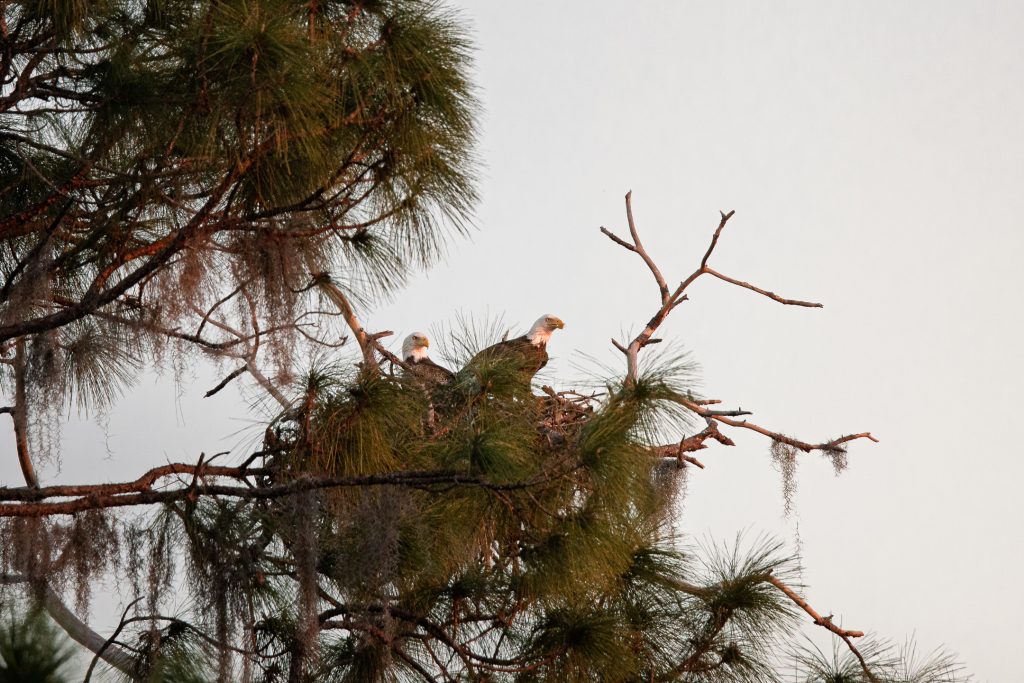
Fall is from September 1st through November 30th, mostly in the wet season. Birds as small as gnat catchers and as large as eagles migrate to Florida in search of warmer temperatures and build nests. Across the state, birds are extremely abundant. Bucks have grown their full antlers and prepare to shed. Hurricane season is still active. Particularly on the Gulf Coast, many of the trees are evergreen, meaning they stay green all year, like live oak, laurel oak, palms, and mangroves. However, in northern and inland Florida, deciduous trees, those that lose their leaves in fall or winter, are more common like bald cypress, red maples, and sweetgum. In these areas, you may notice some trees turning red and yellow. As fall comes to a close, signs of winter begin and the year starts again.
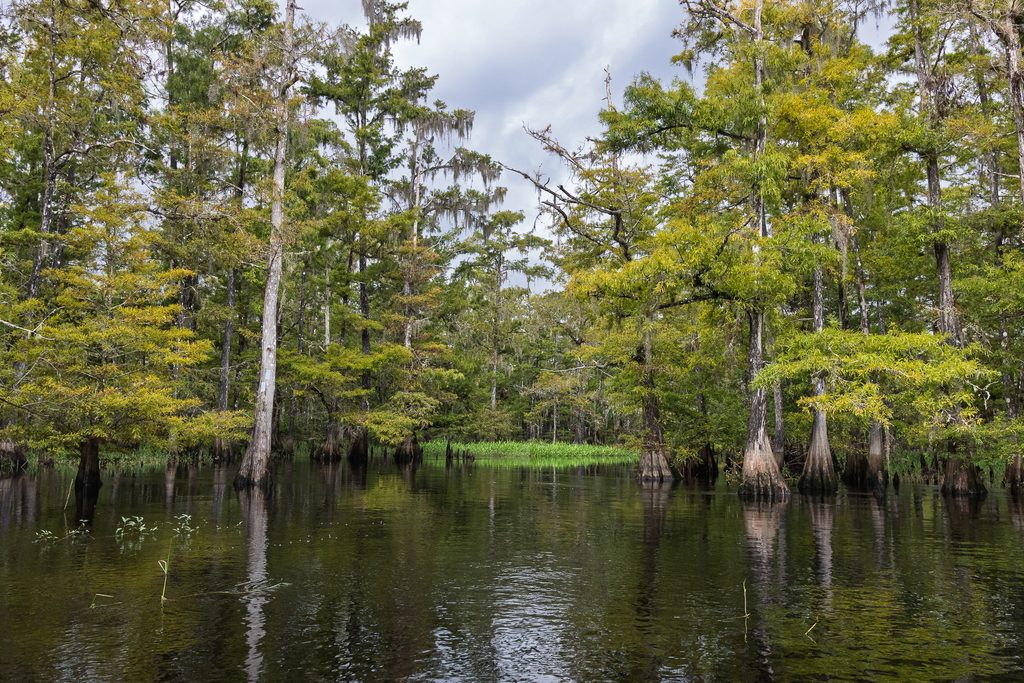
Florida’s yearly cycles may vary from stereotypical seasons, but they do exist. The wildlife know it and if we look for the signs, we can too. From the more obvious indicators like rainfall and temperature to the more subtle like activity levels of reptiles and feeding patterns of wading birds, Florida operates in seasons just like anywhere else. This state has the ability to support a diversity of wildlife throughout the whole year, acting as an extraordinary refuge for life near and far. It is important to live in place, recognize the changing seasons around us, and admire the complexity that fills this state with a spectacular diversity of life.
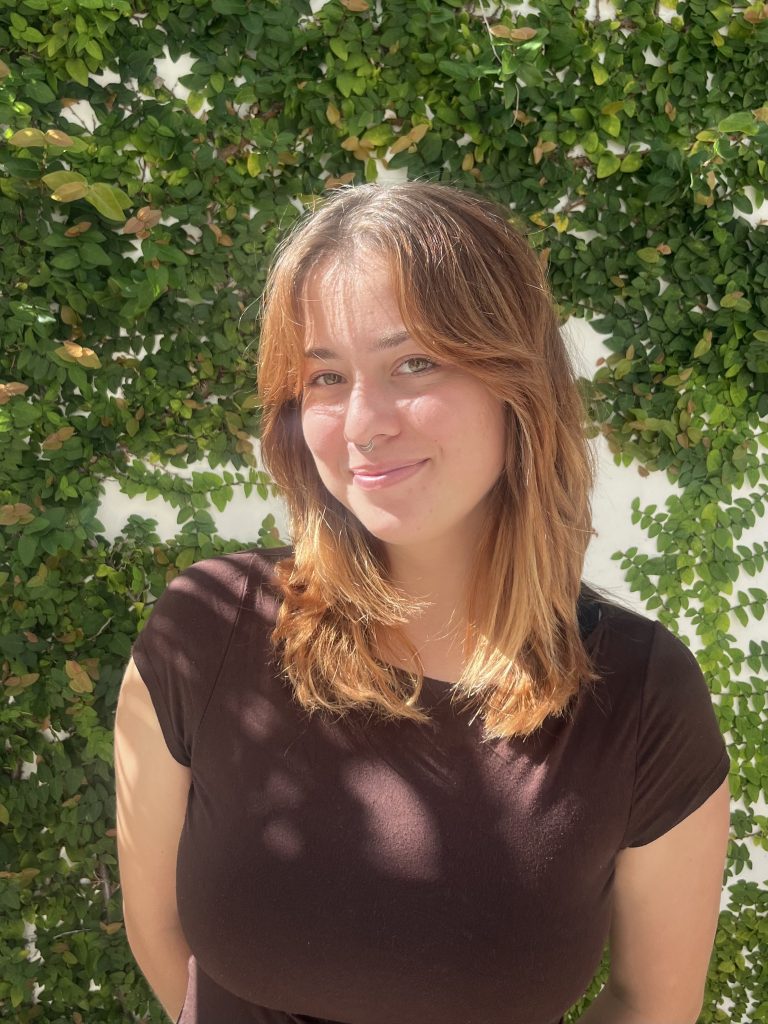
Abigail Nelson – Photography & Storytelling Intern
Abby will soon enter her fourth and final year working towards a joint degree in Biology and Animal Conservation & Wellbeing with a minor in Museum Studies at New College of Florida. She has lived in Florida her whole life and has a deep care and love for its ecology. She is extremely passionate about conserving wildlife, preserving their natural habitats, and using photography as a tool to make scientific research accessible to those of all backgrounds in order to foster an educated, caring community where protecting the environment is a priority.
She works with both digital and film photography. At her university, she is a Technical Assistant for the darkroom, where she teaches others how to shoot and develop their own film. In her free time, she loves to enjoy the nature she protects by hiking, camping, sailing, birding, and taking photos. Additionally, for the last year, she has worked as a Research Assistant for a professor at her university processing camera trap data to help protect vulnerable species, emphasizing the bridge between scientific research and photography.
More Corridor News & Stories
September 1, 2026
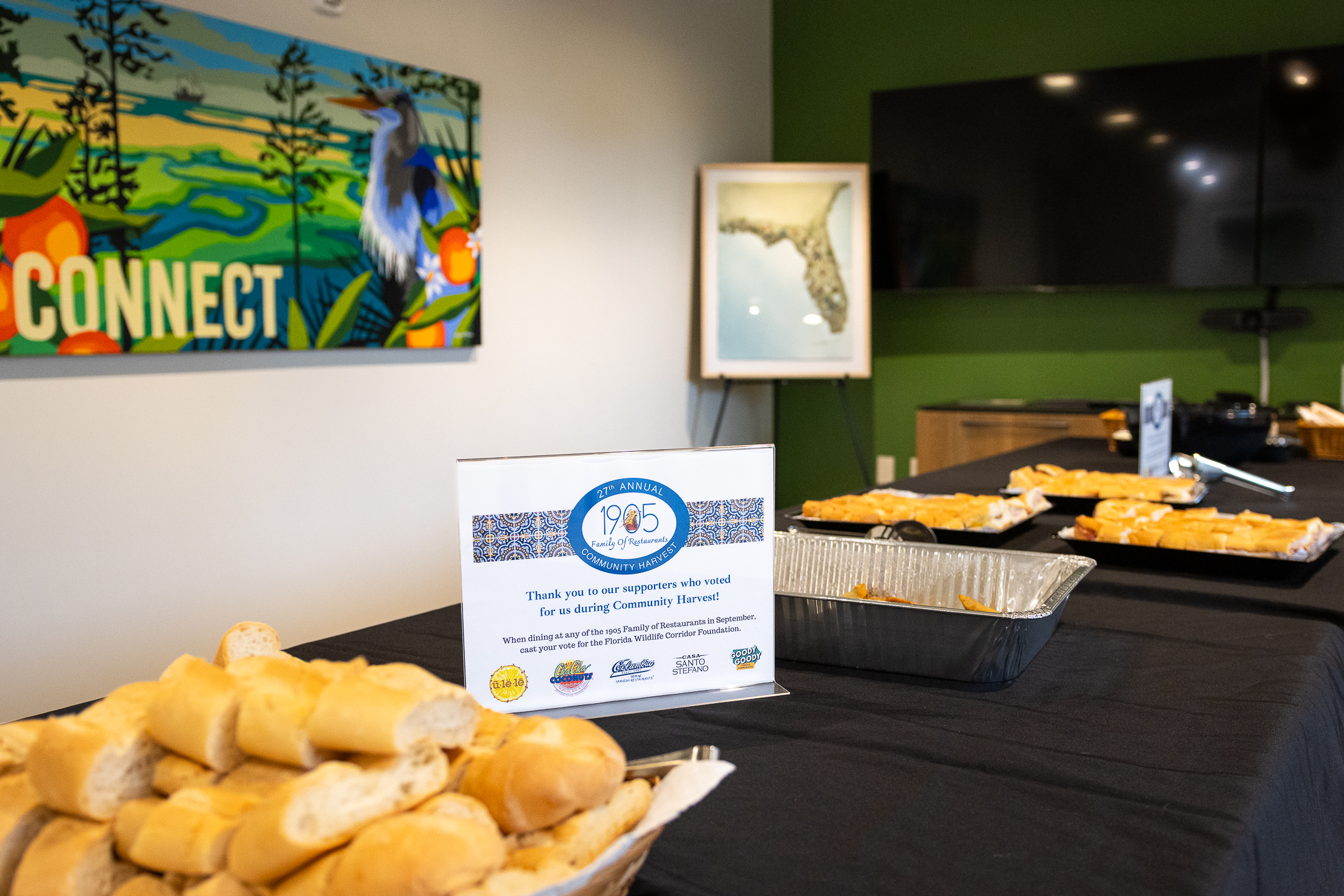
Community Harvest: Eat Well & Do Good for Wild Florida
Eat well and do good this September. You can support the Florida Wildlife Corridor Foundation just by dining in September at any of...
September 1, 2026
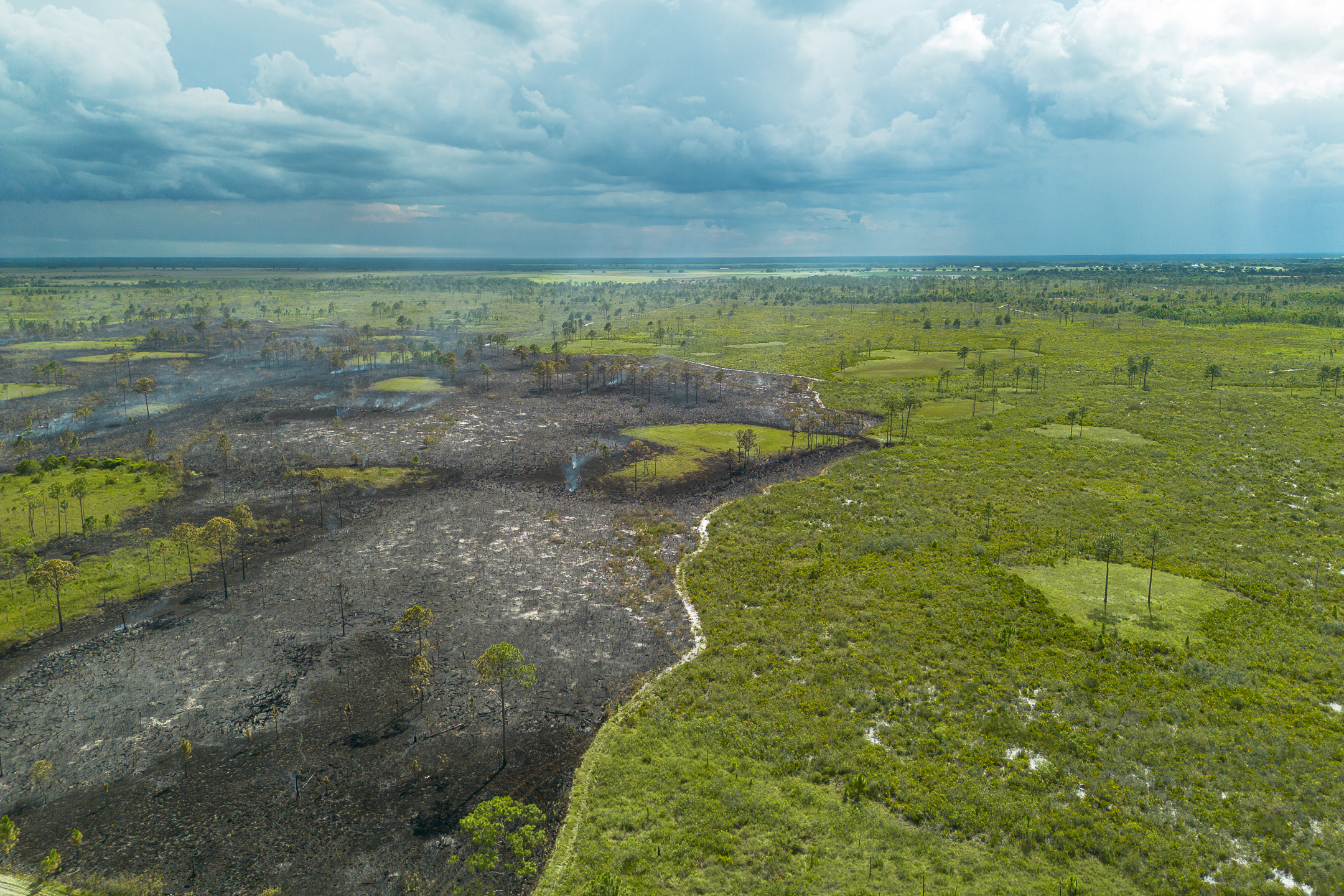
August 2026 Newsletter
As August comes to a close, Florida’s summer landscape is alive with new beginnings. Across the Corridor, summer rains are breathing new life...
August 31, 2026
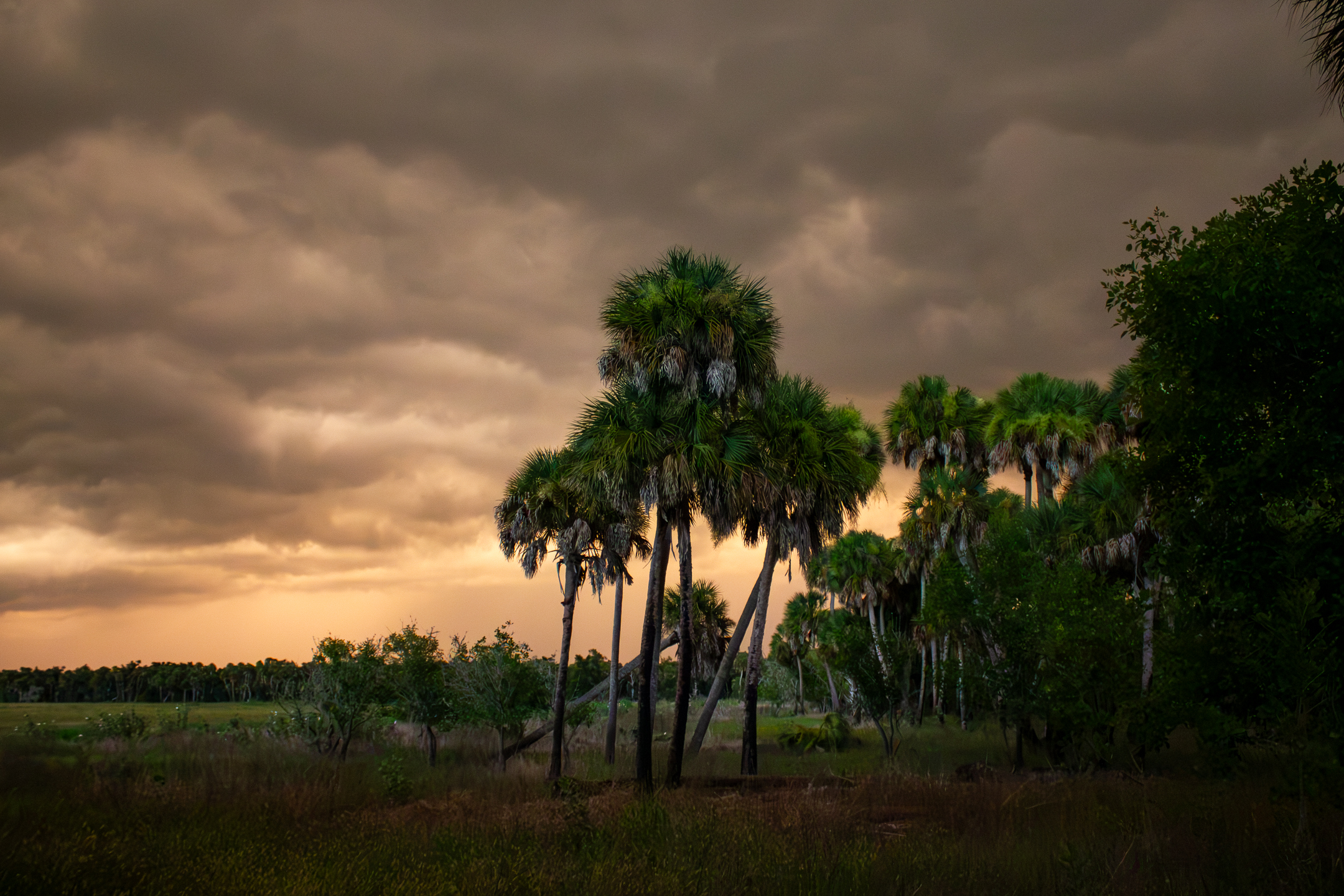
A Year of Florida’s Seasons
From the tip of the Keys to the Georgia-Alabama borders, Florida is a 400-mile long peninsula home to extraordinary life. While the state...
August 11, 2026
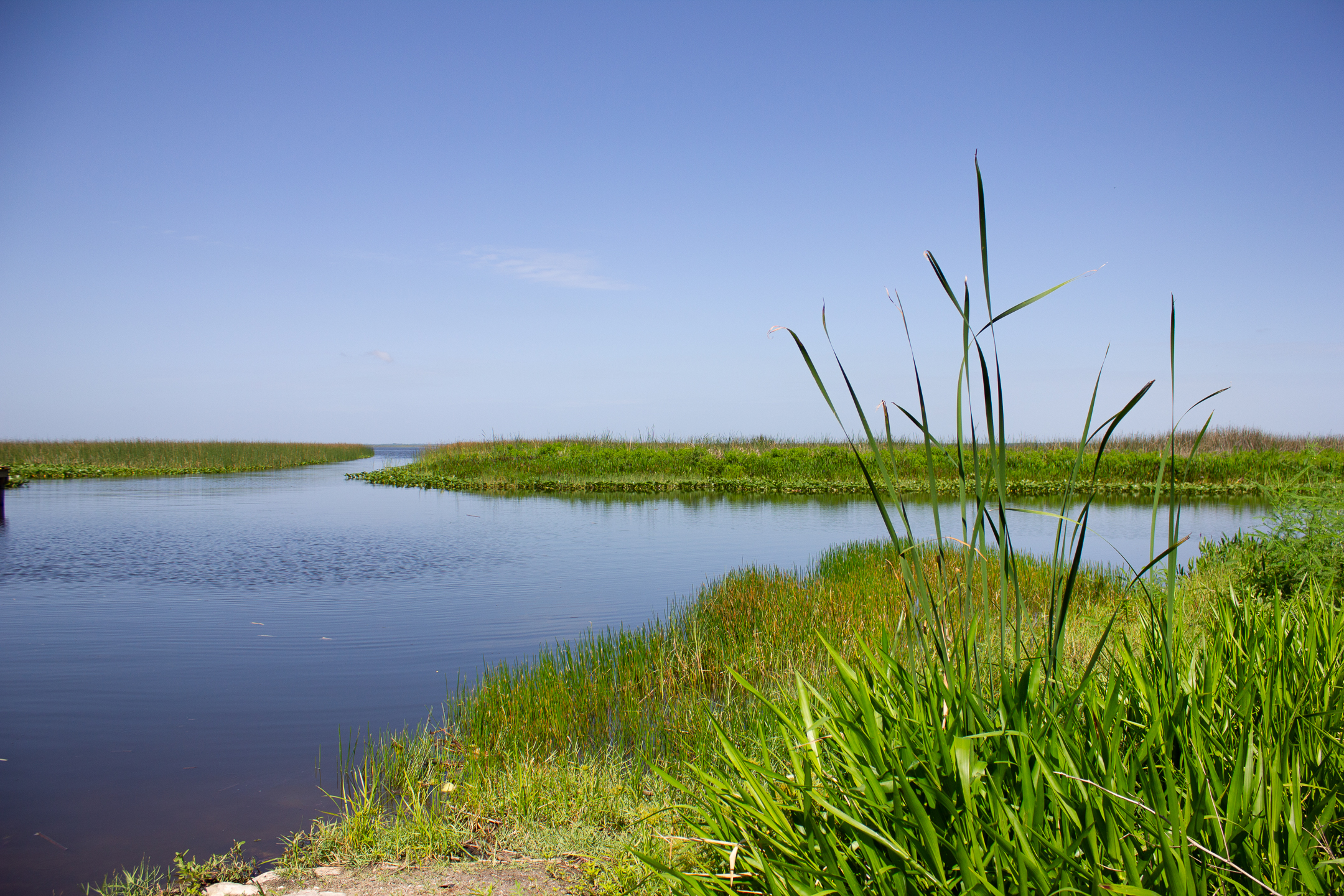
New Approaches to Nutrient Removal: Lake Istokpoga
Out in Highlands County, there is a small town called Lorida that welcomes you with a sign proudly saying “Home to Lake Istokpoga”....
All News & Stories


