
Our Work
August 11, 2026
New Approaches to Nutrient Removal: Lake Istokpoga
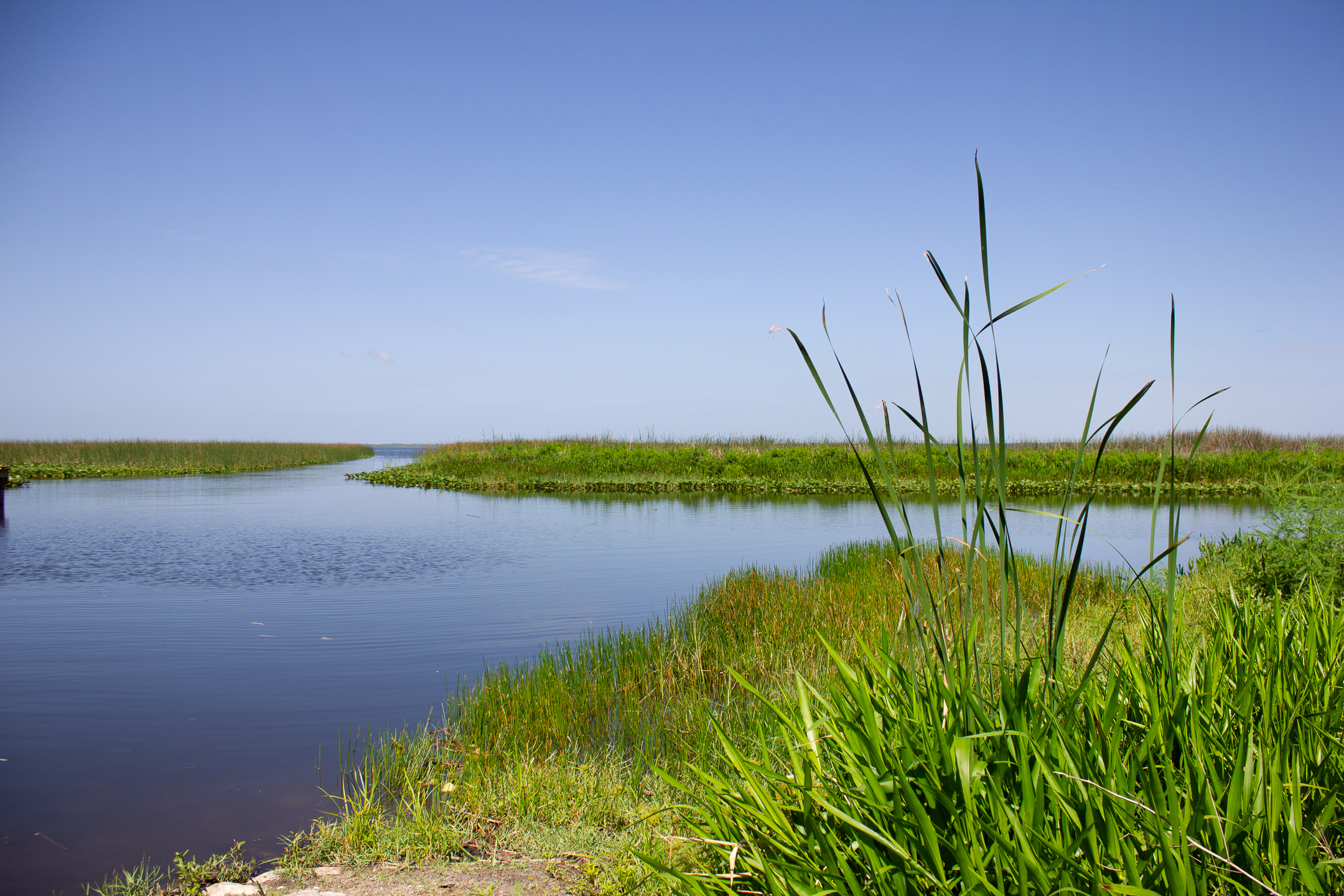
Photography & Writing by Summer 2026 Photography & Storytelling Intern Abigail NelsonOut in Highlands County, there is a small town called Lorida that welcomes you with a sign proudly saying “Home to Lake Istokpoga”. Lake Istokpoga is the fifth largest in the state and is located in the Everglades headwaters region. The water from this lake feeds into the Kissimmee River and Lake Okeechobee before reaching the Everglades. Water storage north of Lake Okeechobee impacts the health of the Everglades overall.
Lake Istokpoga is shallow, averaging a meter deep, but many portions only hold inches of water due to high levels of muck. This muck is mostly made up of decaying plant matter which is creating pollution from excess nutrient levels. Before human engineered water diversion, the rainy season would have pushed water across the surrounding lands. Any excess nutrients would have been deposited onto nearby soil, acting as a natural fertilizer.

Nutrients like nitrogen and phosphorus are critical to healthy water ways, but excess levels can be detrimental to the life that relies on them. In Lake Istokpoga, excess nutrients have decreased water storage by increasing the muck levels. This creates dangers for flooding when events like hurricanes occur, but also strips the lake of life by taking away food sources for birds, fish, and bivalves.
When the lake is six feet deep, but muck prevents more than three inches of water, dissolved oxygen levels can not support animal life, and native plants struggle to survive. Additionally, excess nutrient loads in the water accelerate the growth of non-native vegetation. One method to lower levels of excess nutrients is to increase the amount of native vegetation present. In the past, herbicides have been sprayed at Lake Istokpoga to kill non-native vegetation, but that has increased levels of toxins in the water ultimately creating more decaying plant matter. The native vegetation then struggles to survive because of the intensified muck levels. This keeps the problem cyclical.

For the last two years, through a contract with the South Florida Water Management District, a private company called AguaCulture has been removing muck from Lake Istokpoga and spraying it onto a nearby cattle ranch. This is a ten year pilot project to increase water storage that, to the knowledge of those involved, has not been done anywhere in the world before.
In order to remove the muck without dredging the lake bottom, Nick Szabo, the founder of AguaCulture, and his team reengineered pre-existing equipment. They use an excavator on floating pontoons connected to an axle that has four wheels which follows the lake bottom and keeps the vacuum eight inches above the lake floor. This acts similarly to a pool cleaner, but on a much larger and more complicated scale, preventing damage to the lake bottom. In ideal conditions, the re-engineered excavator can suck up half a million gallons of muck and put it onto the land each day. Additionally, there is no by-catch because most life cannot survive in the current conditions.

Increased water storage on the lake means more room for life, native vegetation growth, cleaner water, and healthy levels of nutrients. When the muck enters the vacuum, it is directly sprayed onto agricultural land up to 20 miles away. There are no storage tanks, it goes straight from water to land. This allows for the land to have micro and macro nutrients it has been deprived of. The damage to Lake Istokpoga has been building for the last 60 years, and this project is offering some hope in regaining its health.

Collaboration has been central to the success of this work. Getting funding and support for this project was not easy. Mike Elfenbein, the Executive Director for the Cypress Chapter of the Izaak Walton League of America, has worked extensively to help garner financial and vocal support for the project. Residents had to be convinced that this project would work after previous attempts did not yield results. State and county agencies had to find agreement. Money had to be sourced. Farmers had to be on board to make changes to their backyard. As Szabo said, “Every entity involved needs to win”. Eventually, a unanimous 18-county resolution in favor of the project was approved and it began.

The lands surrounded by Lake Istokpoga have needed critical nutrients for decades. As part of this project, the Stokes family ranch agreed to take part by allowing the muck to be sprayed on their pastures. Deena Wright, one of the owners of this fifth-generation family ranch, emphasizes the health of her cows feeding on these muck fertilized pastures. The muck has been especially crucial as Highlands County experiences its worst drought in 25 years. This means lower water costs and grass with better nutrients. Because of the muck spraying, the Stokes Ranch has not had to buy fertilizer for over two years. This means money saved, healthier cows, and less detrimental nutrient-rich run-off going back into the lake.
While there were some worries about heavy metals or toxins entering the grass from the muck, the grass tissues are analyzed monthly. The data shows a gradual increase in nutrient levels and undetectable levels of toxins. This project brings together a variety of stakeholders and everyone involved is seeing results. Her lands support caracaras, sandhill cranes, eastern cottontails, white-tailed deer, and so much more.

The Stokes ranch cares for 108 cows, 4 bulls, and 85 calves. Szabo shared a story about a sick three-legged calf who was moved to a muck-fertilized pasture. She quickly gained back health and birthed a healthy calf. With this transportation of nutrients, the cows are eating better, which improves the quality of their lives and products they produce. As for residents on the lake, one shared that a week after muck removal near his home, the water was clearer and plants started to grow back. Before removal, he would not see wildlife, there was nothing that could live there. Now, he sees bluegill, minnows, various native ducks, river otters, birds, alligators, sandhill cranes, and bivalves growing. He had not seen this life prior despite five years of residence.

An additional component of this project is the hay being grown on the muck fertilized lands without grazing cattle. Florida can typically produce one hay crop a year. With the muck fertilization, this farm can harvest a hay crop once each month. To ensure healthy nutrient levels, one in every fifty bales are measured for phosphorus.
The Stokes Ranch has been in the family for five generations, with Wright’s ancestors being one of the founders of Lorida. Small agricultural lands can be difficult to maintain profits on, so benefits like extra crops and not buying fertilizer can be factors in keeping this a family operation for generations to come.

This project of creativity and innovation coming together with science-backed collaboration sets an example for what conservation in Florida can look like. Funding remains a challenge, but this pilot project appears to be working. Excess nutrient levels in lakes is an issue across Florida, not just Lake Istokpoga. Florida’s waters used to spill out much further across the lands, distributing nutrients in the wet season. This project is testing a possible solution for this and shows the importance of cross-sector collaboration for land, wildlife, cattle, ranchers, residents, conservation organizations, and local farmers. Restoration requires collaboration, and this project could serve as a blueprint for addressing layered issues. In the words of Szabo “What if we did this for 100 lakes, 500? What would happen?”
Abigail Nelson – Photography & Storytelling Intern
Abby will soon enter her fourth and final year working towards a joint degree in Biology and Animal Conservation & Wellbeing with a minor in Museum Studies at New College of Florida. She has lived in Florida her whole life and has a deep care and love for its ecology. She is extremely passionate about conserving wildlife, preserving their natural habitats, and using photography as a tool to make scientific research accessible to those of all backgrounds in order to foster an educated, caring community where protecting the environment is a priority.
She works with both digital and film photography. At her university, she is a Technical Assistant for the darkroom, where she teaches others how to shoot and develop their own film. In her free time, she loves to enjoy the nature she protects by hiking, camping, sailing, birding, and taking photos. Additionally, for the last year, she has worked as a Research Assistant for a professor at her university processing camera trap data to help protect vulnerable species, emphasizing the bridge between scientific research and photography.
More Corridor News & Stories

October 5, 2026
September 2026 Newsletter
Florida is getting its first taste of fall, and we’re happy to be experiencing it in the Panhandle alongside our partners at our...

September 30, 2026
September 2026 Cabinet Conservation Approvals
TALLAHASSEE, FL – On September 29, the Florida Governor and Cabinet approved funding for the permanent conservation of 8,838 acres across seven properties...
September 1, 2026
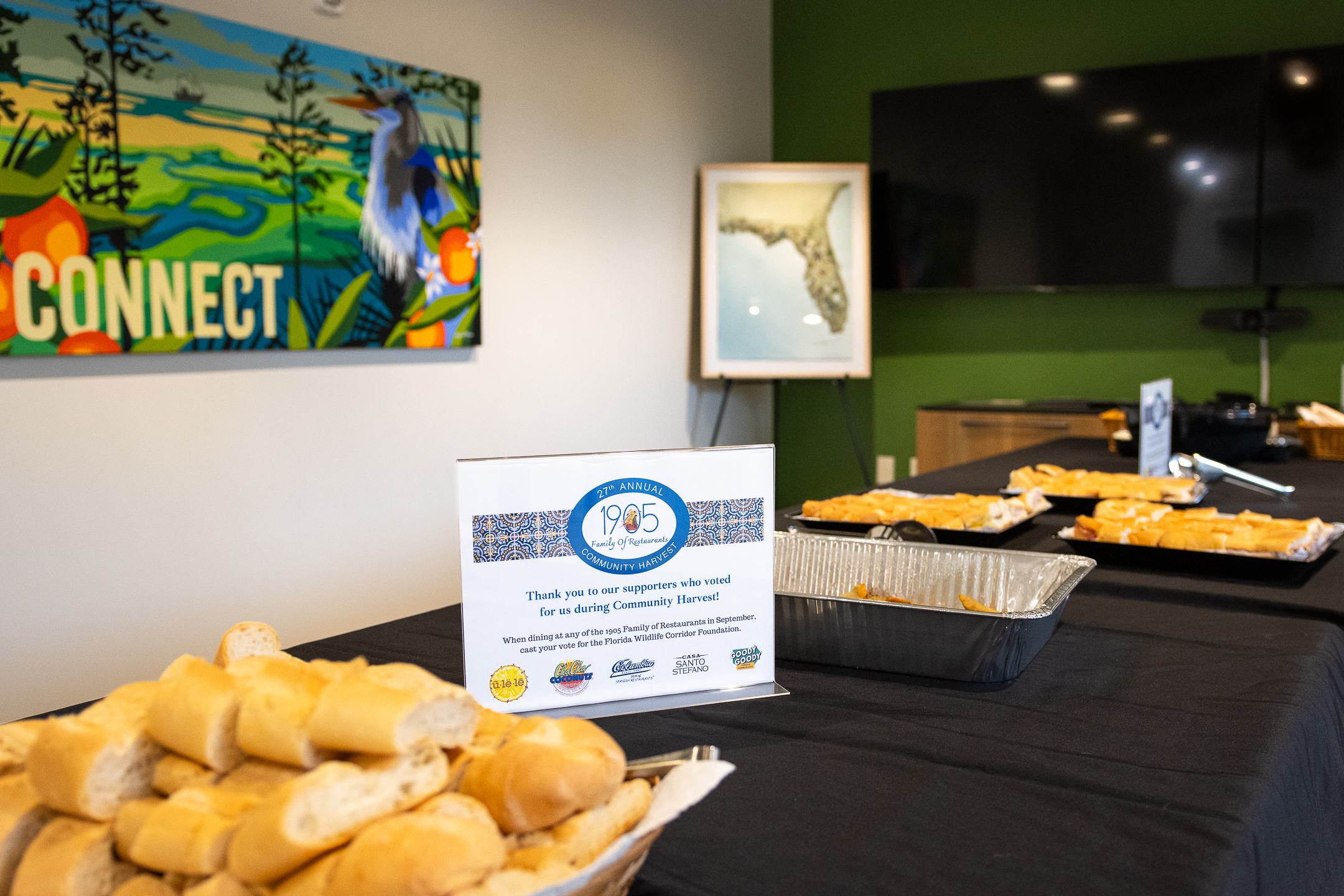
Community Harvest: Eat Well & Do Good for Wild Florida
Eat well and do good this September. You can support the Florida Wildlife Corridor Foundation just by dining in September at any of...
September 1, 2026
August 2026 Newsletter
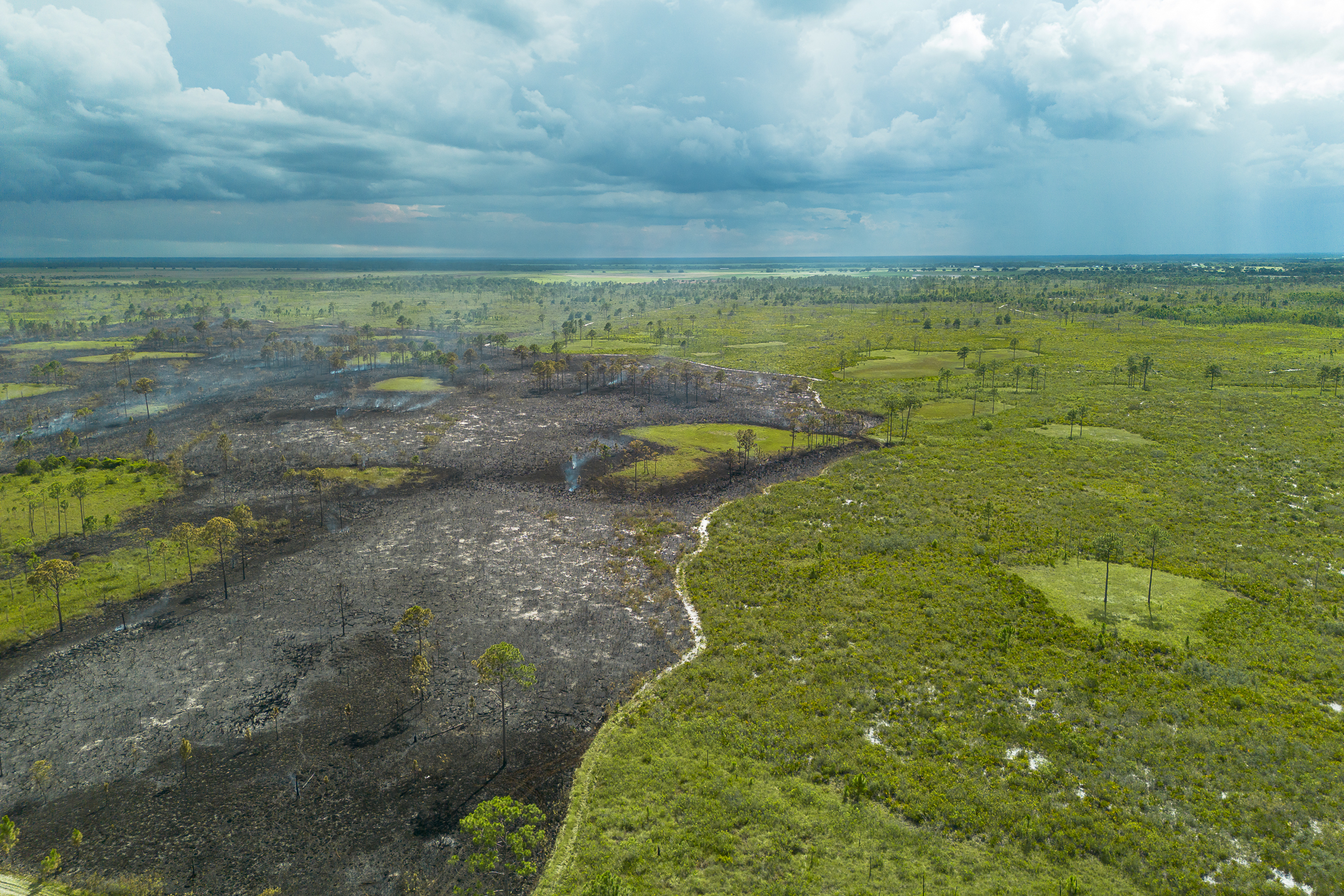
As August comes to a close, Florida’s summer landscape is alive with new beginnings. Across the Corridor, summer rains are breathing new life...
All News & Stories


