
Our Work
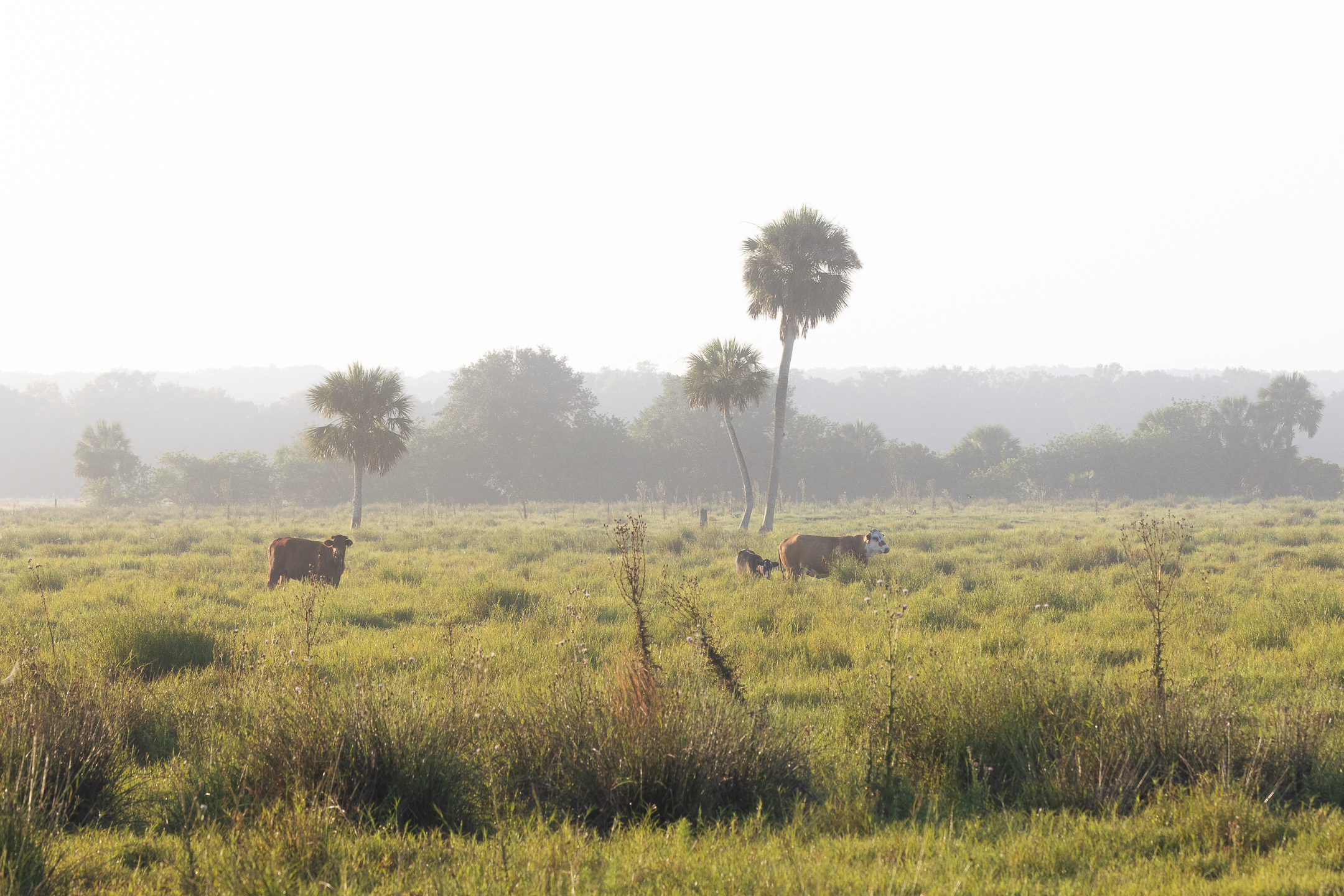
Sunrise on a working cattle ranch within the Florida Wildlife Corridor. Photo by Ethan Coyle
The Florida Wildlife Corridor comprises 18 million acres of connected lands and waters that stretch across the state — from the Everglades in the south through the uplands of the Florida panhandle. Ten million of those acres, largely public lands, are already protected. That leaves eight million acres of the Corridor unprotected. That’s 40 percent that still needs conservation, and those lands are mostly held by private landowners.
Many animals utilize these spaces to travel throughout the state, which makes protecting these lands imperative for conservation efforts. While legislation like the Endangered Species Act (ESA) protects these animals, even on private lands, endangered plants don’t receive the same benefit. The ESA regulates the removal or damage to listed plants on federal lands, but mostly defers to state laws in terms of plant protections on private lands. This means that if no state protections exist, a private landowner would be free to remove or destroy endangered plants on their property.
A Florida-endangered white-topped pitcher plant in a bog. Photo by Ethan Coyle
In Florida, the Preservation of Native Flora of Florida statute (PNFFS) is one of the main sources of protections for plants within the state. This statute regulates the harvesting and commercial use of the state’s rare and endangered plants. The PNFFS, however, does not prohibit landowners from destroying protected plants on their property, nor does it regulate development activities like clearing land for construction, agriculture, or similar purposes.
This gap in protections is especially concerning for a state as biologically rich as Florida, notably in the Lake Wales ridge and Apalachicola regions where endemism and biodiversity are high. Florida has over 3,000 native plant species, with roughly 17 percent listed as endangered, threatened, or commercially exploited. This underscores how delicate the situation is for our native plants, and the vital role that conservation easements on private lands can play in ensuring their survival.

The federally endangered Florida ziziphus being replanted along the Lake Wales Ridge. Found only in Polk and Highlands counties, this plant is among the rarest in the world. Photo by Ethan Coyle
With limited protections under state and federal law, conservation easements offer one of the most effective tools for safeguarding rare plants and their habitats on private lands. Across the state and throughout the Florida Wildlife Corridor, these agreements help preserve critical ecosystems such as the scrub, sandhill, and longleaf pine savannahs where many imperiled plant species can be found. Conservation easements allow landowners to retain ownership and continue traditional uses, while placing permanent restrictions on development to ensure these landscapes remain intact for generations.
Beyond protection, many landowners are going further by actively restoring their land through rewilding. They often reintroduce native plants, restore natural fire regime, and remove invasive species to let natural processes take place.

Cutthroat grass, a Florida endemic and state-listed endangered species found only in five counties along the Lake Wales Ridge, being burned in a prescribed fire. Prescribed fires, particularly growing-season burns, stimulate flowering of this plant. Photo by Ethan Coyle
Protecting Florida’s unique plant species extends beyond laws. It depends on the stewardship, cooperation, and awareness of private landowners. Many are working to rewild their land by allowing native plants to reestablish and form the foundation of healthy ecosystems, enabling essential ecological processes and supporting insects, birds, and wildlife alike. By valuing and protecting the plants that sustain Florida’s landscapes, we safeguard not just the beauty of these wild places but the resilience of the state itself.

Adam Behring | Corridor Connect Intern
Adam Behring is a native Floridian who grew up in Clearwater and is completing a Master’s degree in biology at Miami University. He previously studied computer science at the University of Central Florida and the Air Force Institute of Technology, before working as a civilian with the United States Navy in Orlando. After a decade with the Navy, Adam decided to follow his passion by studying biology. His coursework and projects focus on building curiosity for, and appreciation of, plants through storytelling. This has led him to work with the Jacksonville Zoo and Botanical Gardens, Conservation Florida, and the Florida Native Plant Society. He is excited to contribute his expertise to the mission of the Florida Wildlife Corridor Foundation and to further conserve Florida’s natural heritage. Adam lives in Tallahassee, where he enjoys hiking, board games, craft beer, and tending to the native plants around his home. He definitely doesn’t bring cool bugs inside to show his fantastic and understanding wife, Amber. Together, they also serve the whims of two adorable cats, Growler and Cooper.
More Corridor News & Stories
September 1, 2026
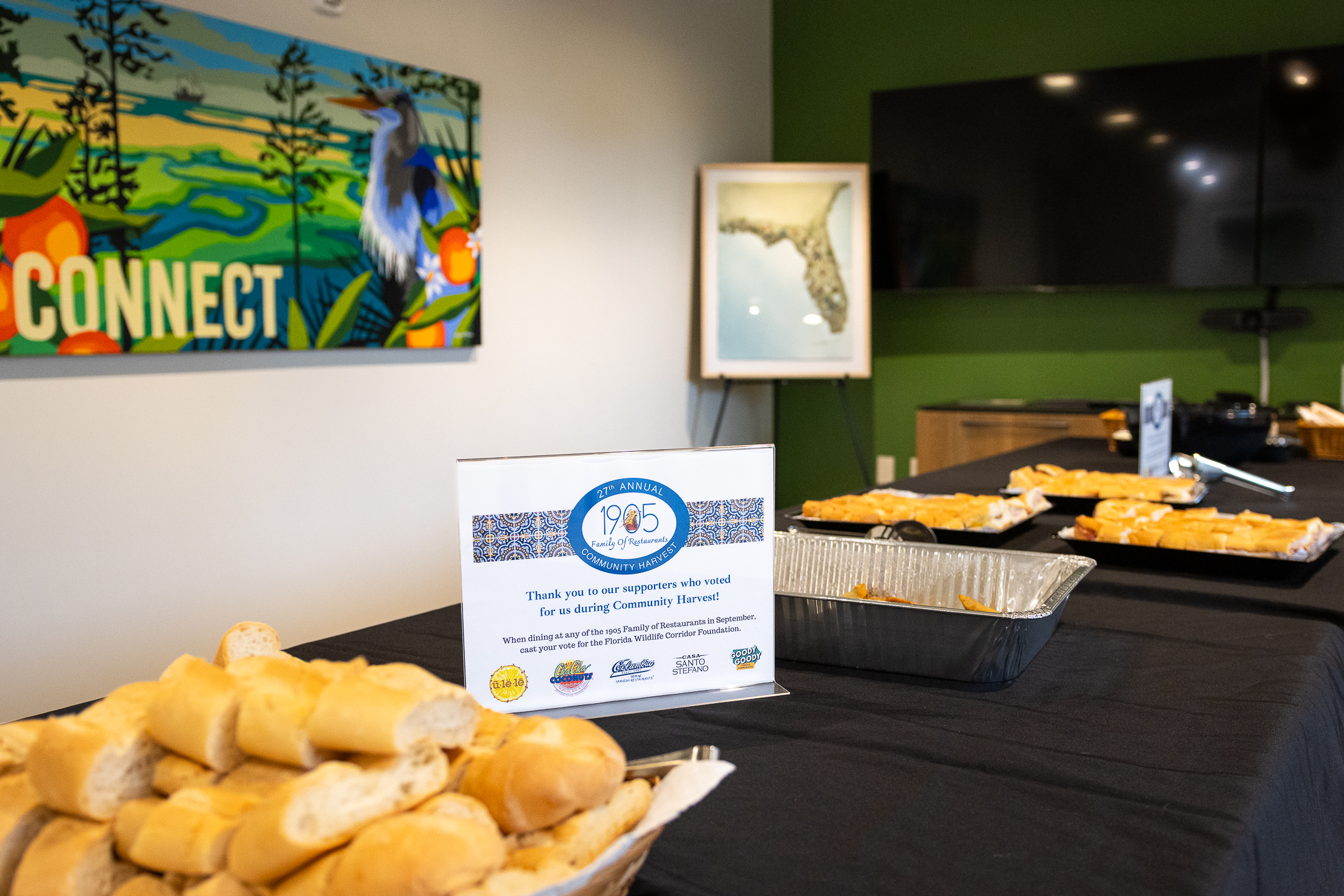
Community Harvest: Eat Well & Do Good for Wild Florida
Eat well and do good this September. You can support the Florida Wildlife Corridor Foundation just by dining in September at any of...
September 1, 2026
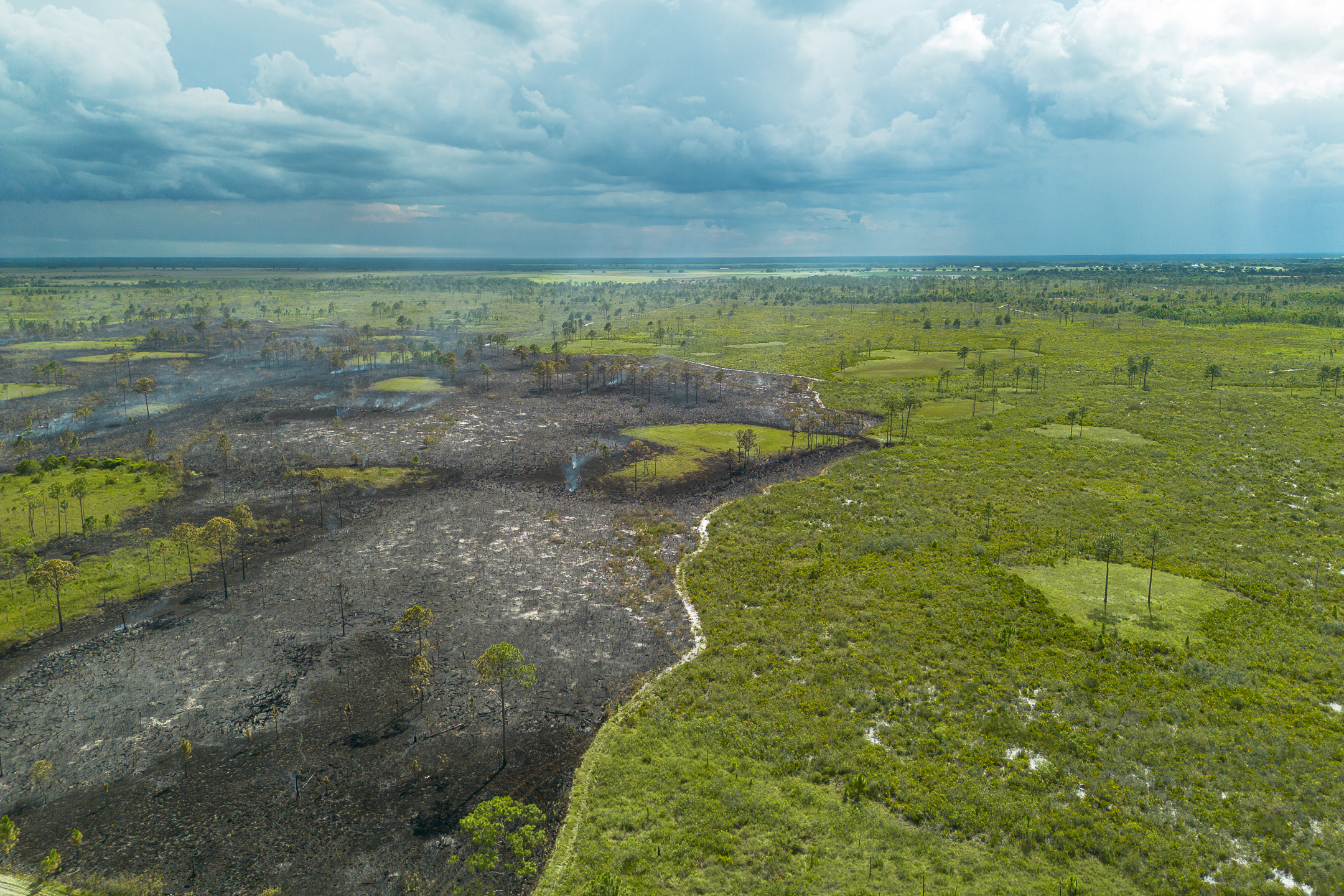
August 2026 Newsletter
As August comes to a close, Florida’s summer landscape is alive with new beginnings. Across the Corridor, summer rains are breathing new life...
August 31, 2026
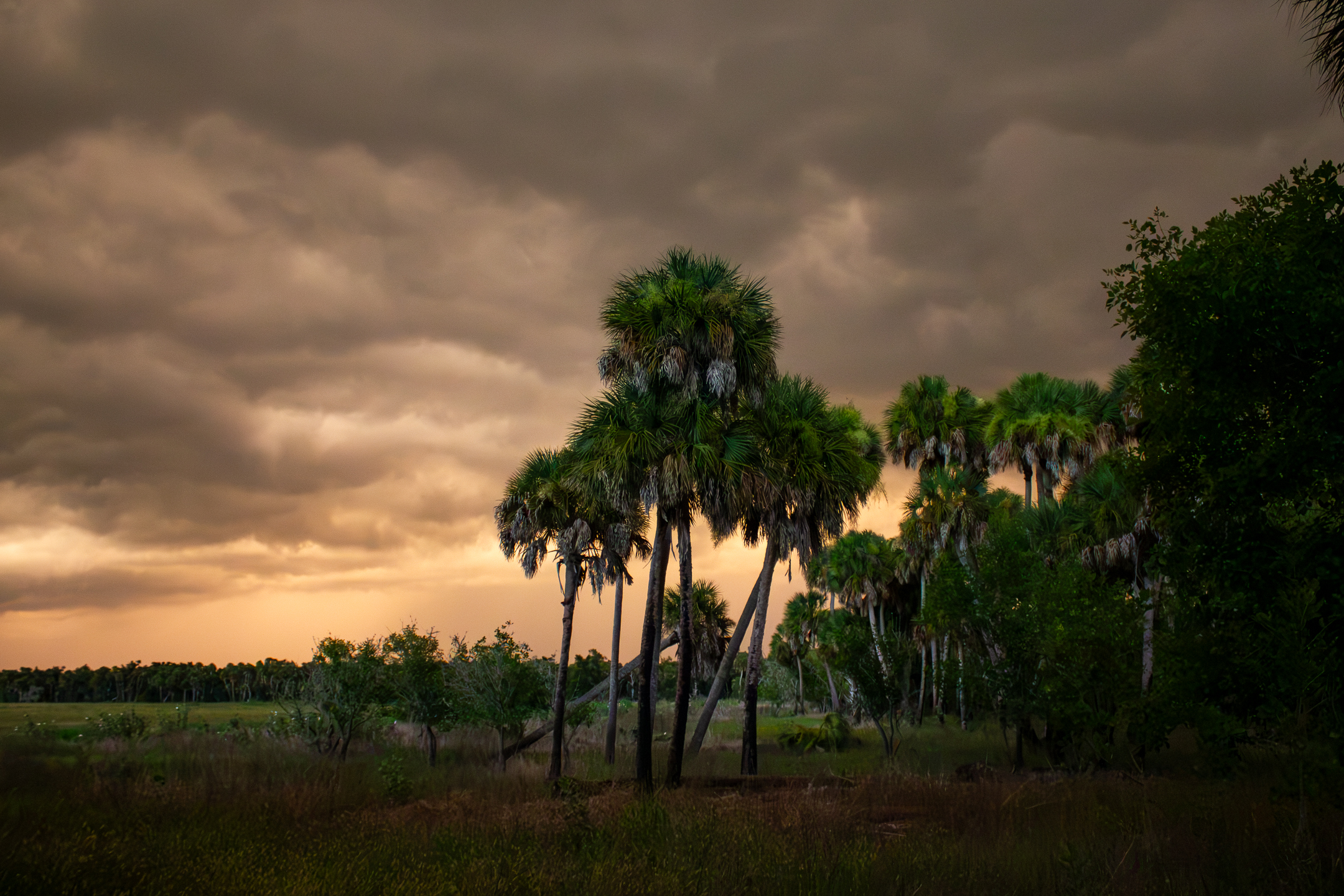
A Year of Florida’s Seasons
From the tip of the Keys to the Georgia-Alabama borders, Florida is a 400-mile long peninsula home to extraordinary life. While the state...
August 11, 2026
New Approaches to Nutrient Removal: Lake Istokpoga
Out in Highlands County, there is a small town called Lorida that welcomes you with a sign proudly saying “Home to Lake Istokpoga”....
All News & Stories


