
Our Work

Written by Keira Gilmore (Fall 2024 Storytelling Intern)
Orlando Wetlands Park works to help maintain clean and safe conditions of reclaimed water and care for native wildlife and plants found in central Florida. It is home to many native species including gators, anhingas, birds of prey, heron species, and other native birds. The 1650-acre park connects Charles H. Bronson Wildlife Management Area and the Seminole Ranch Conservation lands within the Florida Wildlife Corridor. The property includes trails along lakes and through wooded areas, and a 2,200ft long cypress boardwalk where visitors can observe wildlife and connect to nature.
https://floridawildlifecorridor.org/wp-content/uploads/2024/10/Wetland-1-copy-1200×800.jpg
Great blue herons are found in many wetland environments throughout Florida, often seen standing, almost frozen in time, to capture their prey.
https://floridawildlifecorridor.org/wp-content/uploads/2024/10/Wetland-2-copy-1200×800.jpg
The common gallinule, a chicken like marsh bird, are very similar to the American Coot and can be found all throughout Florida and North America as they thrive in vegetated marshes, ponds, and canals.
https://floridawildlifecorridor.org/wp-content/uploads/2024/10/Wetland-3-copy-1200×800.jpg
Common gallinules tend to favor freshwater marshes with open water areas and ground cover to hide in the marsh. With brightly colored faces, these birds are omnivores feeding on a variety of seeds, insects and other small aquatic creatures.
https://floridawildlifecorridor.org/wp-content/uploads/2024/10/Wetland-4-copy-1200×777.jpg
Often confused with storks, white egrets form an “S” shape with their necks and can stand up to 1 meter tall. These birds are primarily piscivores but can also be seen feeding on insects and other invertebrates.
https://floridawildlifecorridor.org/wp-content/uploads/2024/10/Wetland-5-copy-1200×800.jpg
Soft shell turtles have a handy way of breathing from the surface; their snorkel-like nose just breaks through the surface, allowing them to stay submerged underwater.
https://floridawildlifecorridor.org/wp-content/uploads/2024/10/Wetland-6-copy-1-1200×800.jpg
One way to tell male from female anhingas is black with silver white streaks on their back and wings, while females have a pale tan colored head, neck, and breast.
https://floridawildlifecorridor.org/wp-content/uploads/2024/10/Wetland-7-copy-1200×800.jpg
Usually found in thick mud bottom bodies of water, painted turtles prefer calm slow-moving water to call home, spending time on land and in the water.
https://floridawildlifecorridor.org/wp-content/uploads/2024/10/Wetland-8-copy-1200×800.jpg
Unlike many birds, anhingas are able to submerge their bodies and wings partly or mostly submerged in water when in search of prey.
https://floridawildlifecorridor.org/wp-content/uploads/2024/10/Wetland-9-copy-1200×770.jpg
The white egret, with distinct white feathers and a yellow bill, stands proud at up to one meter in height, with pure white plumage allowing it to stand out in wetlands.
https://floridawildlifecorridor.org/wp-content/uploads/2024/10/Wetland-10-copy-1200×800.jpg
Known as the state reptile, there are about 1.2 million American alligators in the state of Florida. Using its vertical flat tail to swim through lakes, marshes, wetlands, and swampy areas, gators can reach speeds close to 20mph in the water.
https://floridawildlifecorridor.org/wp-content/uploads/2024/10/Wetland-11-copy-1200×800.jpg
The American alligator has roughly 80 teeth in its mouth at a time, and can go through 1,000 to 3,000 teeth in its lifetime. With the power of 2,125 pounds per square inch, these powerful creatures can take a serious bite out of their prey.
https://floridawildlifecorridor.org/wp-content/uploads/2024/10/Wetland-12-copy-1200×800.jpg
Wetlands are an important part of the environment as they work to link land and water and support a variety of ecosystems with transition zones between dry land and fully submerged areas. Parts of wetlands will be entirely covered by water of varying depths and can be seasonally flooded during the rainy season.
https://floridawildlifecorridor.org/wp-content/uploads/2024/10/Wetland-13-copy-1200×800.jpg
The state of Florida is covered in about 14 million acres of wetlands, including swamps and marshes, that are home to a variety of species and are an important part to ecosystems health. 72% of Florida’s functional wetlands are located in the Florida Wildlife Corridor.
https://floridawildlifecorridor.org/wp-content/uploads/2024/10/Wetland-14-copy-1200×800.jpg
American Alligators reach sexual maturity when they are about 6 feet in length. It may take males and females anywhere between 8-15 years to reach these sizes and be able to reproduce.
https://floridawildlifecorridor.org/wp-content/uploads/2024/10/Wetland-15-copy-1200×684.jpg
Black-bellied whistling ducks are yearlong residents in Florida. This goose like duck mates for life and calls wetlands, freshwater marshes, or coastal lagoon areas home.
https://floridawildlifecorridor.org/wp-content/uploads/2024/10/Wetland-16-copy-1200×800.jpg
Anhingas prefer a quiet, sheltered area near swamps, marshes, and ponds, often seen perched on trees or low-lying branches in the sun drying their wings.
https://floridawildlifecorridor.org/wp-content/uploads/2024/10/Wetland-17-copy-1200×800.jpg
As juveniles, the long-legged little blue heron is entirely white, like a snowy egret, later molting into the dark blue slate plumage color as adults.
Environmental management teams work to maintain the land within Orlando Wetlands Park and work to control invasive species here, aimed at maintaining central Florida’s biodiversity throughout their 1650 acres. Learn more about the park at Orlando Wetlands | GFBWT (floridabirdingtrail.com)
More Corridor News & Stories

October 5, 2026
September 2026 Newsletter
Florida is getting its first taste of fall, and we’re happy to be experiencing it in the Panhandle alongside our partners at our...

September 30, 2026
September 2026 Cabinet Conservation Approvals
TALLAHASSEE, FL – On September 29, the Florida Governor and Cabinet approved funding for the permanent conservation of 8,838 acres across seven properties...
September 1, 2026
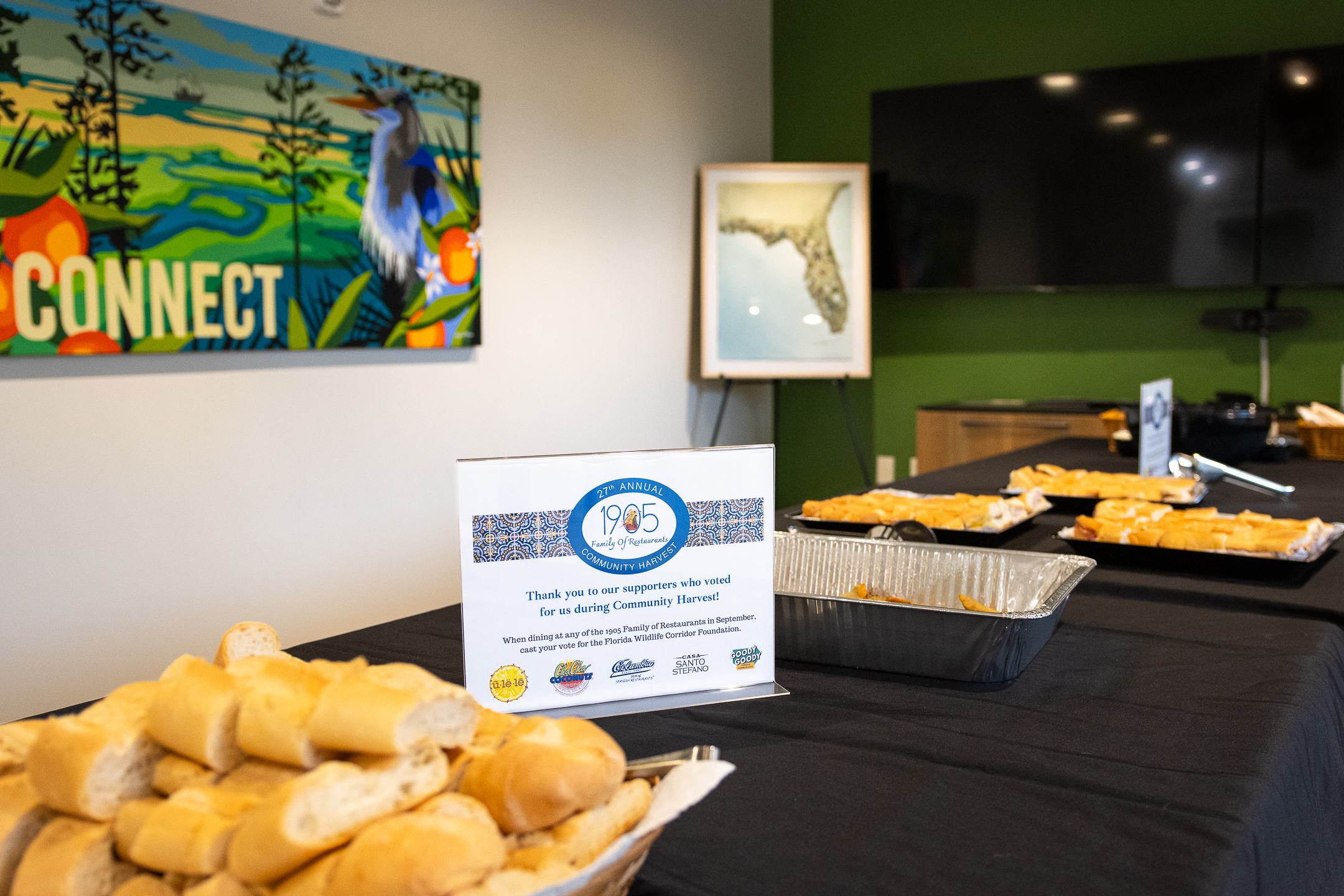
Community Harvest: Eat Well & Do Good for Wild Florida
Eat well and do good this September. You can support the Florida Wildlife Corridor Foundation just by dining in September at any of...
September 1, 2026
August 2026 Newsletter
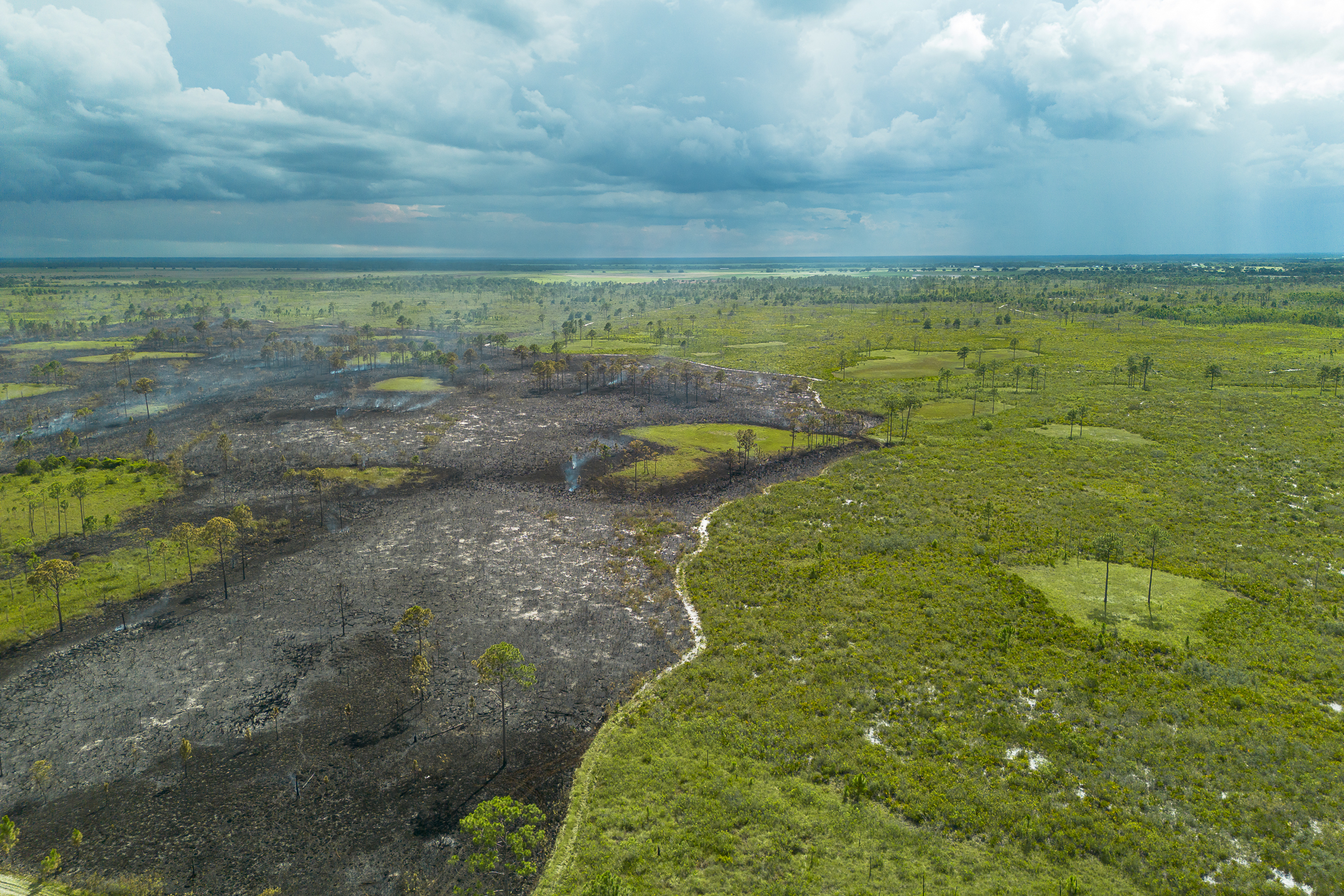
As August comes to a close, Florida’s summer landscape is alive with new beginnings. Across the Corridor, summer rains are breathing new life...
All News & Stories


